Lara Payne Reflexology
Reflexology & AROMATHERAPY in Hereford & TENBURY WELLS
Clinical Reflexology in Hereford & Tenbury Wells
What is Reflexology?
Reflexology is a complementary therapy based on the principle that different areas of the feet correspond to different organs, glands and structures throughout the body. Using specialised techniques, pressure is applied to these reflex areas in carefully considered sequences, with each treatment tailored to your individual needs.
Reflexology takes a holistic approach, recognising the close relationship between our body, mind and emotions. Life places many demands on us, physically, mentally and emotionally. Sometimes we don't realise just how much we're carrying until we finally have an opportunity to stop.
Reflexology offers time to slow down, release tension and reconnect with yourself. Through therapeutic touch, it encourages deep relaxation and supports a sense of physical and emotional wellbeing. Whether life is feeling particularly demanding, you're experiencing hormonal changes or simply want to make more time for yourself, reflexology can be a valuable part of looking after your wellbeing.

How Reflexology Can Support Your Wellbeing
One of the most valued benefits of reflexology is its ability to encourage relaxation and provide an opportunity to switch off from the demands of everyday life. Taking regular time to relax can have a positive influence on how we feel, both physically and emotionally.
People often choose reflexology to:
- Encourage deep relaxation
- Ease feelings of stress and tension
- Support restful sleep
- Improve mood and emotional wellbeing
- Feel calmer and more grounded
- Enjoy time dedicated entirely to themselves
How Often Should I Have Reflexology?
How often you have reflexology is entirely up to you and will depend on your individual needs and circumstances. If you're experiencing a particularly demanding time, or feeling that your wellbeing has taken a back seat, I often recommend starting with a course of six weekly treatments. This allows us to establish a regular routine, see how you're responding and adapt treatments as we go. After an initial course, many people choose to continue with monthly appointments as part of their ongoing wellbeing routine. Others find that they particularly value more frequent treatments, choosing to visit weekly or fortnightly. There's no one-size-fits-all approach, and together we can find a rhythm that works for you.
Of course, there's no obligation to commit to a course of treatments. I understand that time and finances are important considerations, and even an occasional treatment can offer a welcome opportunity to pause, relax and look after yourself.
Stress, Relaxation and the Nervous System
Stress is a natural part of life; our bodies are designed to respond to challenges and then return to a more restful state once those challenges have passed. However, when stress becomes prolonged, its effects can extend far beyond how we feel emotionally. Our nervous system, digestive system, muscles and sleep patterns are all influenced by the body's response to stress.
This can contribute to familiar symptoms such as:
- Digestive disturbances, bloating and changes in bowel habits
- Tension headaches and muscular tightness
- Difficulty falling or staying asleep
- Fatigue and reduced energy
- Anxiety, irritability and low mood
- Difficulty concentrating or switching off
- Increased sensitivity to pain
Our autonomic nervous system manages many of the body's essential functions, including heart rate, breathing and digestion; The sympathetic nervous system, often called 'fight or flight,' helps us respond to challenges by increasing alertness and preparing the body for action. The parasympathetic nervous system, sometimes called 'rest and digest,' supports relaxation, digestion and the body's everyday processes of maintenance and recovery.
An important part of the parasympathetic nervous system is the vagus nerve, which connects the brain with the heart, lungs and digestive organs. It plays an important role in communication between the brain and body, helping influence heart rate, digestive activity and our responses to stress. This connection helps explain why emotional stress can sometimes be felt physically - perhaps as a churning stomach, a racing heart or tension throughout the body.
Relaxation encourages the body to move away from heightened alertness and towards a calmer state, supporting the natural processes associated with rest and digestion. Reflexology offers an opportunity to experience this relaxation through therapeutic touch and a peaceful environment, allowing time for both body and mind to settle.
Facial Reflexology
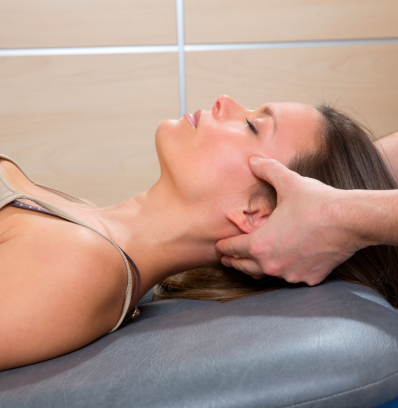
Facial reflexology works on the same principles as foot reflexology, using gentle pressure and specialised techniques on reflex areas of the face. The face is particularly rich in sensory nerve endings, and many people find facial treatments wonderfully soothing, helping them to unwind and release tension.
The gentle movements and pressure can also help ease feelings of tightness around the forehead, temples and jaw, areas where we often hold tension without realising it. Facial massage encourages local circulation, which may leave the skin looking refreshed and feeling revitalised.
For those who would like a little extra time to unwind, I offer a 75-minute 'top-to-toe' treatment combining traditional foot reflexology with facial reflexology. Beginning with gentle face reflexology and finishing with the feet, this extended treatment brings together two wonderfully relaxing approaches.
Which Reflexology Treatment Is Right for Me?
General Reflexology is suitable for anyone looking to support their overall wellbeing. Whether you're experiencing the physical or emotional effects of stress, managing ongoing health challenges, or simply wanting to take a more proactive approach to looking after yourself, treatments are tailored to your individual needs. I offer both 60-minute and 45-minute General Reflexology appointments. The shorter option is ideal if time or finances are a consideration, making regular reflexology a little more accessible.
For those who would like an extended treatment, my 75-minute Top-to-Toe Reflexology combines foot and facial reflexology.
I also offer specialist treatments for different stages of life:
- Maternity Reflexology - support throughout pregnancy and the postnatal period. Find out more on my Maternity Reflexology page.
- Fertility Reflexology - support for individuals and couples navigating their fertility journey. Visit my Fertility Reflexology page for more information about my approach and initial consultations.
- Reproductive & Menopause Reflexology - Support for reproductive and hormonal wellbeing, including menstrual health, perimenopause and menopause. Read more on my Reproductive & Menopause Reflexology page.
If you're unsure which treatment would be most suitable for you, please feel free to get in touch. I'm always happy to answer questions and help you choose.